Discover Electronics Recycling Services for Eco Disposal
Eco-Friendly Approaches: How E-Waste Recycling Services Are Preserving Our Planet
E-waste poses significant threats to the environment, as disposed electronics frequently harbor hazardous substances. These hazardous substances can contaminate soil and water, causing extensive damage to surrounding ecosystems. Electronic waste recycling programs offer an effective remedy. They not only recover valuable resources but also mitigate pollution. Comprehending the operation of these services and their influence on communities is of great importance. The path to successful electronic waste management prompts vital discussions about personal accountability and communal efforts. What steps can be taken next?
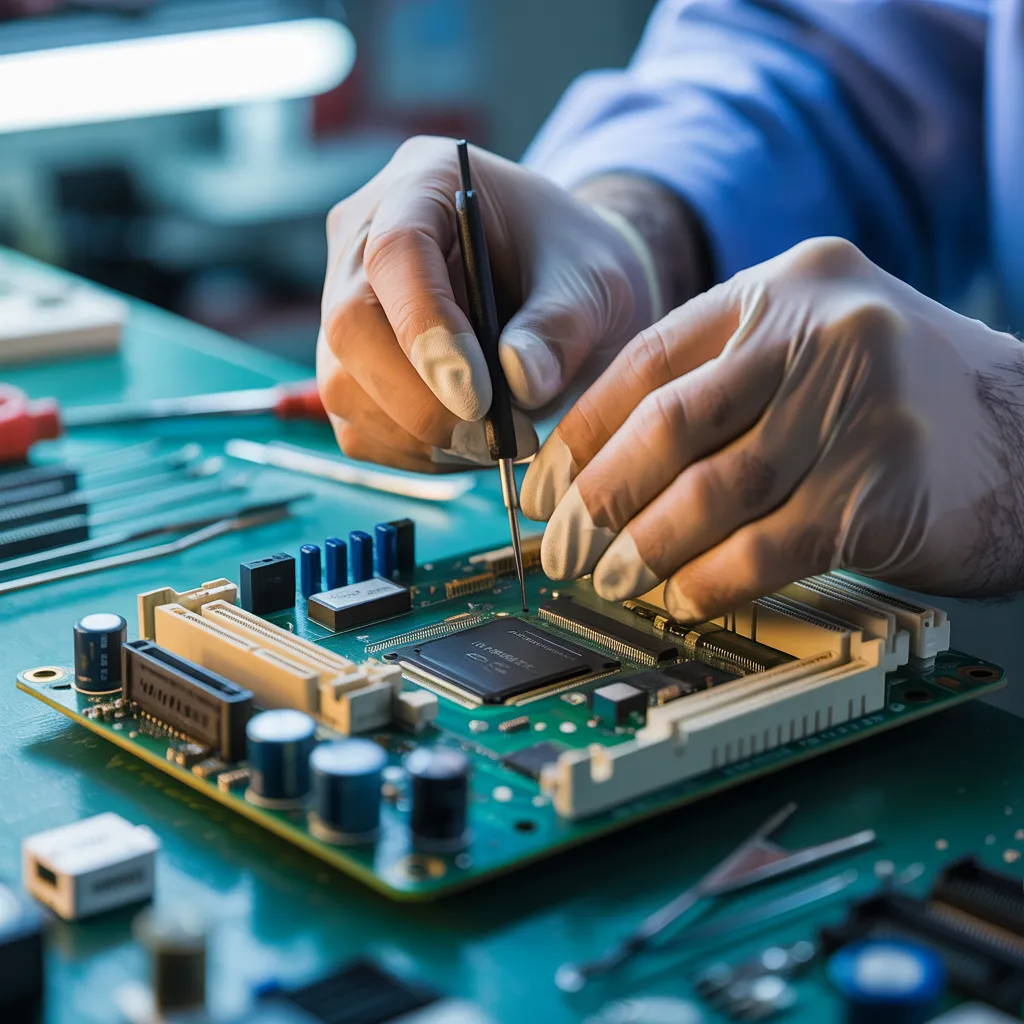
How E-Waste Is Hurting the Planet
Although technology enhances our daily lives, electronic waste presents serious threats to the environment. Disposed electronic equipment, often containing dangerous compounds like lead, mercury, and cadmium, may release harmful substances into soil and groundwater, creating hazards for human health and ecosystems. The rapid pace of technological advancement leads to higher rates of electronics disposal among consumers, worsening the buildup of electronic waste.
Landfills, already strained by waste, are unable to keep up with the rising quantities of abandoned electronics. Burning, an alternative disposal approach, discharges toxic contaminants into the air, worsening overall air quality. Moreover, poor recycling procedures can cause e-waste to be sent to developing regions, where employees may disassemble electronics without sufficient safety precautions, leaving them vulnerable to harmful substances. This ongoing cycle of carelessness and inadequate management emphasizes the pressing necessity for responsible recycling initiatives that can lessen the harmful consequences of e-waste on our world.
What Is E-Waste and Why Is It Important?
E-waste, or electronic waste, includes obsolete electronic products such as smartphones, computers, and televisions that have exceeded their operational lifespan. This rapidly expanding waste category is noteworthy owing to its accelerating volume, driven by technological advancements and consumer trends. As more devices become obsolete, the ecological consequences become more pronounced, with harmful substances like lead, mercury, and cadmium posing risks to ecosystems and human health.
Addressing e-waste is crucial not only for reducing these dangers but also for acknowledging the precious materials found within it. Precious metals and rare earth elements can be recovered and reused, reducing the need for mining and conserving natural resources. With a thorough understanding of e-waste and its impact, people and organizations alike can make educated decisions about disposal and recycling, helping to build a more sustainable world. Responsible management of e-waste plays a key role in supporting a circular economy and championing environmental stewardship.
The Way E-Waste Recycling Functions
The recycling of e-waste encompasses a structured approach designed to recover valuable materials while limiting ecological damage. To begin, e-waste is collected and transported to dedicated processing centers. Upon arrival, the devices undergo thorough sorting to separate hazardous components from recyclable materials.
Next, workers take apart the Start here electronics, separating metals, plastics, and glass. This stage is crucial, as it allows for the recovery of valuable metals like silver, gold, and copper, which can be reused in new electronic products.
Afterward, the divided materials are refined through sophisticated techniques, such as shredding and chemical treatments, to refine them for further use.
Finally, the remaining hazardous materials are disposed of responsibly, following eco-friendly standards. This comprehensive process not only conserves resources but also minimizes the hazards connected to irresponsible electronic waste disposal, guaranteeing a greener future for electronic device usage.
Why E-Waste Recycling Matters for You and Your Community
Although it often goes unnoticed, the positive effects of e-waste recycling go far beyond individual benefit and actively shape entire communities. By carefully processing electronic waste, individuals help foster a safer environment, minimizing hazardous materials that can leach into soil and water. This proactive approach works to protect local ecosystems and advances public health.
Additionally, the recycling of e-waste encourages workforce growth within communities. Local recycling facilities often require personnel for diverse activities, spanning collection through processing, therefore offering work opportunities for local residents. This not only boosts the local economy but also inspires community dedication to sustainable efforts.
Additionally, knowledge about e-waste recycling can lead to educational initiatives, encouraging residents to pursue greener alternatives. By engaging with e-waste recycling programs, individuals nurture a culture of sustainability, encouraging others to join the movement. All things considered, the collective impact of these actions can lead to a more strong and environmentally aware community.
Tips for Choosing an E-Waste Recycling Service
Choosing the most suitable electronic waste recycling provider is vital for making sure that electronic refuse is handled with responsibility and sustainability. First, people should confirm the service's credentials, such as R2 or e-Stewards, which indicate conformance to industry standards for responsible recycling methods. It's also important to examine the provider's credibility by reviewing feedback and looking for advice from dependable sources.
Furthermore, transparency in the recycling process is vital. A dependable provider should provide clear information about the way e-waste is handled and what happens to the materials. Additionally, considering the scope of services provided can prove valuable; certain providers may offer collection services or present rewards for recycling.
Furthermore, being aware of area-specific requirements for e-waste disposal can further guide the selection process. Through focusing on these key aspects, people are able to support effective e-waste management as well as promoting green and responsible behaviors.
Ways You Can Participate in E-Waste Recycling?
Getting involved with e-waste recycling can start at the local level, where recycling centers frequently offer essential services for responsible disposal. Additionally, participating in community awareness campaigns can enhance efforts to educate others about the importance of responsible e-waste management. These actions not only advance environmental sustainability but also foster a collective sense of responsibility toward the environment.
Nearby Recycling Facilities
Numerous neighborhood recycling stations perform an important function in electronic waste recycling, supplying communities with reliable ways to dispose of electronic waste responsibly. These stations receive a variety of electronic devices, including old computers, smartphones, and televisions, making certain that hazardous materials are managed safely. The majority of facilities employ trained staff who are able to assist individuals with correct disposal techniques, emphasizing the importance of recycling over landfilling. Moreover, several stations organize drop-off events or designated collection days, making it easy for residents to participate. By taking advantage of these neighborhood resources, residents support a circular economy, lowering environmental harm and encouraging sustainable habits. Connecting with these stations empowers communities to take action against e-waste pollution effectively.
Community Awareness Campaigns
Nearby organizations, schools, and enterprises can partner to arrange initiatives that encourage e-waste collection drives. Dedicated participants can take a leading part in spreading awareness, distributing educational materials, and engaging with the community. Through these collective efforts, community members grow more knowledgeable and inspired to dispose of their electronics responsibly, ultimately contributing to a more sustainable future.
Questions We Often Receive
What Types of Electronics Can Be Recycled?
Various electronics can be recycled, including laptops, televisions, smartphones, printers, computers, and gaming consoles. In addition, ancillary devices such as batteries, keyboards, and mice are also suitable for recycling, aiding in environmental conservation efforts.
Are There Any Costs Associated With E-Waste Recycling?
Yes, electronic waste recycling can include costs, subject to the provider. Some service centers impose charges for gathering or treatment, while others offer free services, often subsidized by the resale of recovered materials.
How Can Businesses Benefit From E-Waste Recycling?
Organizations can gain from e-waste recycling by minimizing disposal costs, enhancing their environmental image, complying with regulations, reclaiming useful materials, and creating potential earnings via resale, thus supporting a greener and more sustainable operational framework.
What Occurs with Data on Recycled Devices?
Information regarding repurposed electronics is commonly irretrievably wiped or destroyed during the refurbishment process. This confirms private details is kept safe, blocking unwanted intrusion while allowing resources to be recycled carefully and ethically in new products.
Is It Possible to Recycle Damaged Electronics?
Yes, broken electronics may be recycled. Numerous facilities process broken devices, providing proper disposal and recovery of precious materials. It helps lower harm to the environment while supporting eco-friendly recycling methods to manage electronic waste properly.